
How Folding Distance Changed Our Room Puzzles
We spent six months prototyping a mechanic that treats streets as foldable paper. Here's what broke, what survived, and the one rule we now never break.

Fold distance, solve rooms, and restore a city in bloom.
Manipulate distances—fold the city back together.
Anchor two distant points and collapse the corridor between them. Cross gaps that were once impassable.
Reconnect severed tram lines, broken aqueducts, and fractured plazas. Each restored route unlocks the next room.
Draw objects or platforms toward you through folded air. Solve spatial puzzles by bringing the faraway near.
Design diaries, playtest lessons, and growth experiments from the Ciarna Peak team working on Bough & Bracket.
We spent six months prototyping a mechanic that treats streets as foldable paper. Here's what broke, what survived, and the one rule we now never break.
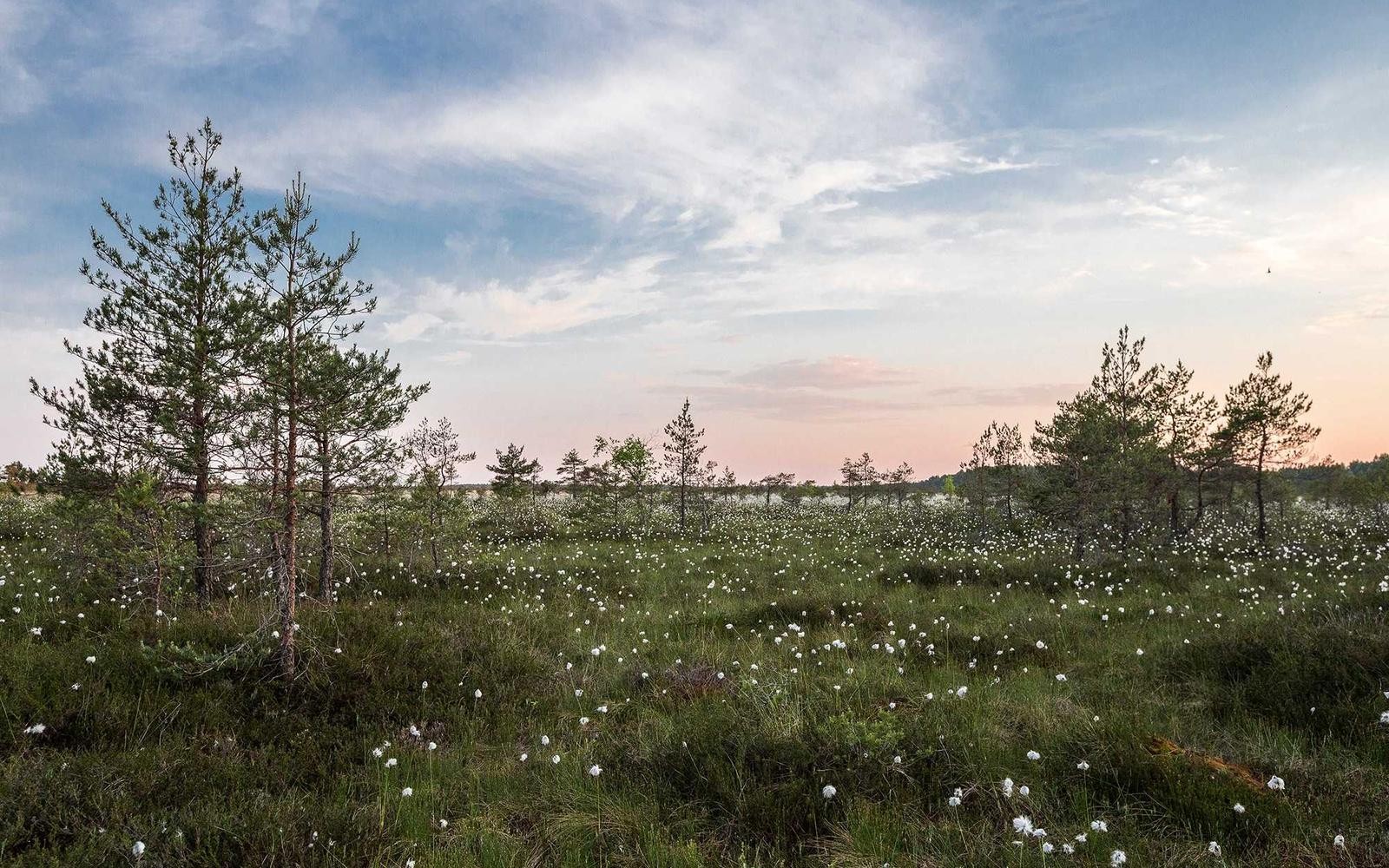
Flora isn't decoration. In Bough & Bracket, every district you restore stays restored — and that single decision reshaped our entire quest structure, save file, and visual identity.

Every fold in the game has a pitch and a rebound. Audio director Sofia Marin explains how sound cues replaced the visual guides we so desperately wanted to keep.

The beta taught us players didn't mind being lost — they minded being watched. So we removed the map entirely and replaced it with landmarks.

An abandoned railway hall became our favorite puzzle space. We rebuilt its entrance six times before the fold finally felt like breathing.
Players should understand a space before they break it. These are the visual principles we use to make impossible geometry feel fair and legible.

Folding distance on a trackpad is one thing — on a phone it's another. The mobile build forced us to design a new input language from scratch.
Serein Pivot unfolds in the silent marble corridors of Osmium Basin, a city shattered by the Great Dissonance. Neighborhoods float like broken clock faces, and streets loop back on themselves without end. You play as Cinder, a Cartographer. Armed with the Compass of Unfolding, you fold the space between two distant balconies, twist a street to face the right direction, and splice a ruined room back into its proper position. Every solution draws water to a drying root, every restored district triggers a botanical transformation. The city of marble dreams itself back into a city of bloom. A city in bloom is a geometry that lives.
Deep perspectives, deeper puzzles.
Oubliette is a gorgeous, cerebral puzzle box. The act of folding space and shifting perspective to solve a single room is endlessly creative. It’s the rarest kind of game: one that makes you feel genuinely smarter for having played it.
Ciarna Peak has built a world that feels impossibly vast yet intimately personal. Restoring the city to bloom isn't just a goal; it's a meditative journey through geometry and memory. Oubliette is essential, experimental gaming at its finest.
What an incredible surprise. Oubliette takes the idea of a perspective puzzle and turns it into a full-blown exploration of architecture and emotion. The rooms are characters, the city is a story. I haven’t been this captivated by a world in years.
The writing is sharp, the mechanics are tight, and the art direction is a knockout. Oubliette feels like a long-lost piece of interactive fiction rediscovered and perfected. A triumphant return to form for the thoughtful puzzle game.
I sat down to 'try' Oubliette and emerged five hours later, having folded time and space across a dozen impossible rooms. It is an utter joy to get lost in. This is exactly the kind of bold, artistic vision the medium needs.
Everything you want to know before you start folding your way through Ciarna Peak.
Ciarna Peak is a puzzle-adventure game where every room is a problem in spatial origami. You fold streets, crumple corridors, and reconnect neighborhoods to help a once-thriving city bloom again. The heart of the game is simple: if the path doesn't exist, fold one into being.
The game launches on Windows PC and macOS, with console versions planned for a later season. Steam Deck is fully supported at launch, and cloud saves let you pick up where you left off on any supported device.
Yes. A free demo is available now through the official site and will be live during every major Steam festival. It includes the first district, three complete puzzle rooms, and a glimpse of the story — enough to get a real feel for the fold mechanic.
Most players finish the main story in 8-to-10 hours. If you're the type who unfolds every hidden ruin, tracks down all collectible seed pods, and solves every optional logic chamber, expect closer to 15 hours.
No. The entire game is playable offline, so you can fold, solve, and restore the city wherever you are. Online features are limited to optional cloud saves and a non-intrusive hint system — no account is required for the core experience.